
Agentic Cloud Native Azure Apps

Agentic Cloud Native Azure Apps

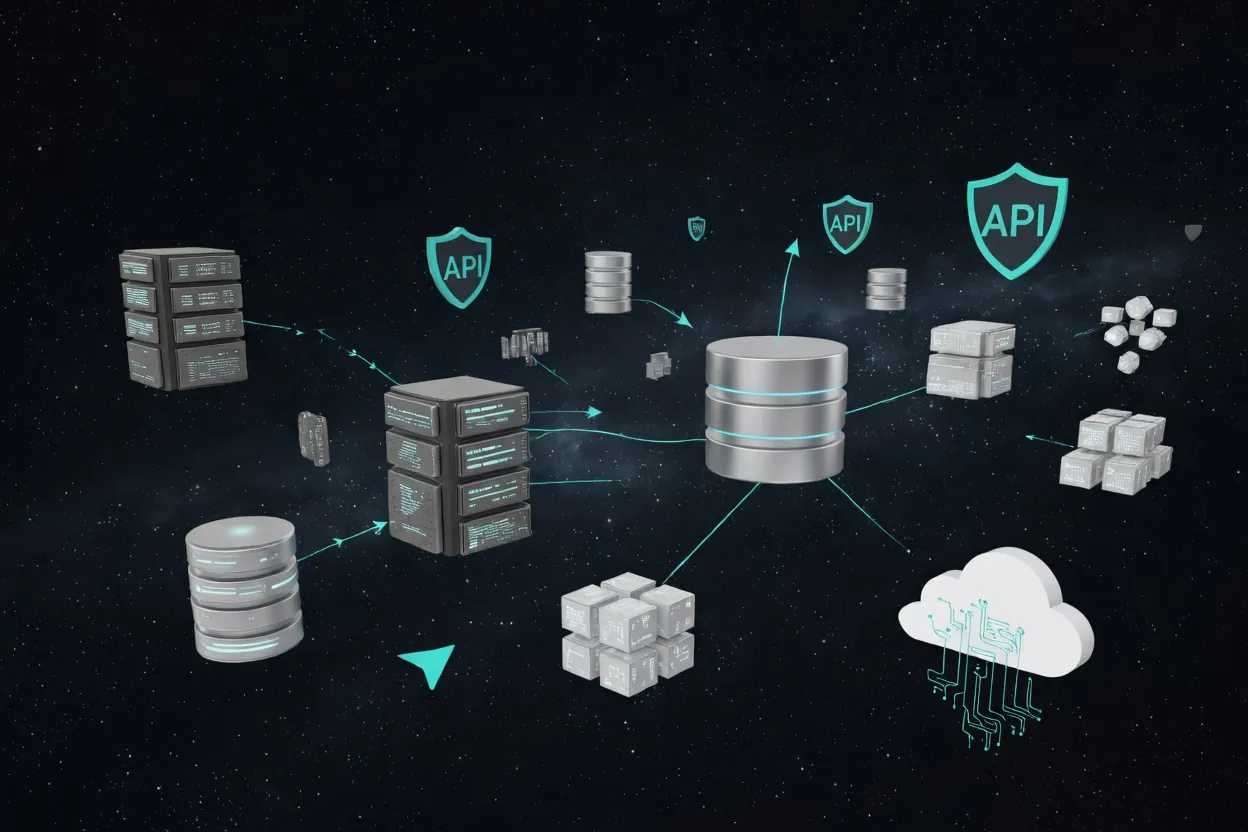
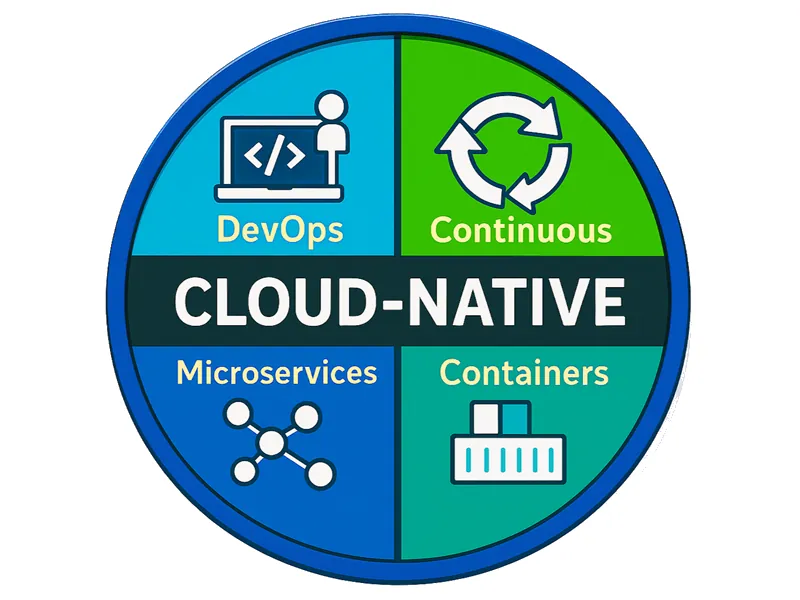
Cloud Native development on Azure means your applications become independently deployable, resilient, and easy to scale. By leveraging automated CI/CD pipelines and infrastructure as code, teams can ship faster and safer. We use Angular for frontends, .NET Aspire for backends, and Azure Container Apps to give you the same enterprise-grade architecture used by large companies, without the overhead of a dedicated platform team or the risk of a full rip-and-replace rewrite.

Deep Azure expertise backed by 15+ years of Microsoft 365 integration ensures that when your apps need to reach organisational data via Microsoft Graph, it’s baked into the architecture from day one. The result is end-to-end cloud maturity spanning identity, data, and business workflows.
Agentic DevOps & IaC

Agentic DevOps & IaC

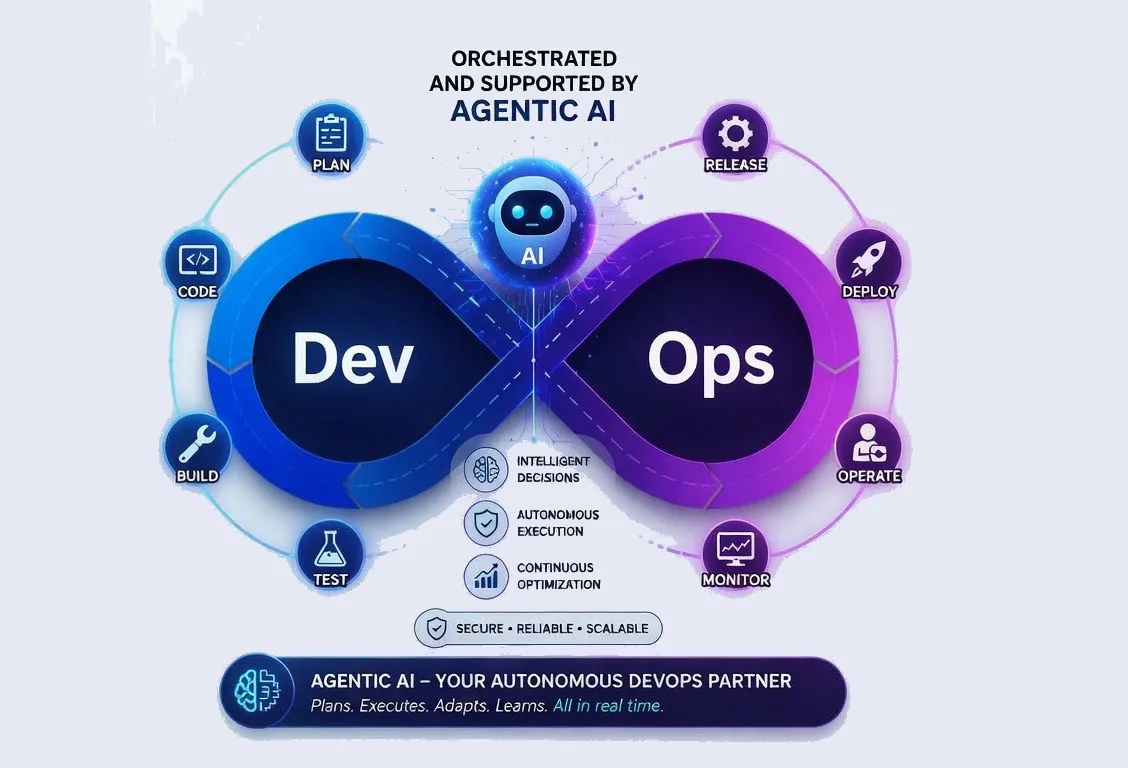
Manually provisioned infrastructure diverges the moment someone applies a hotfix in the portal. Six months later, no one knows what production actually looks like. Azure Developer CLI (azd) and Bicep fix this: every environment is defined in code, version-controlled, and reproducible from a single command.

Agents extend this further. Claude Code and GitHub Copilot generate and debug GitHub Actions workflows, diagnose build failures, and raise fix PRs before anyone opens Slack. Infra drift and pipeline toil stop being engineering taxes and become background automation.

CAF-ready landing zones provisioned in minutes. Every environment consistent from dev to production.

Angular Scale & Observability

Angular Scale & Observability

Angular micro-frontends with client-side NgRx SignalStore scale to enterprise applications without the coordination overhead. Agents build each feature with Vitest tests by default. Test-driven development baked in from the brief, not added at the end.

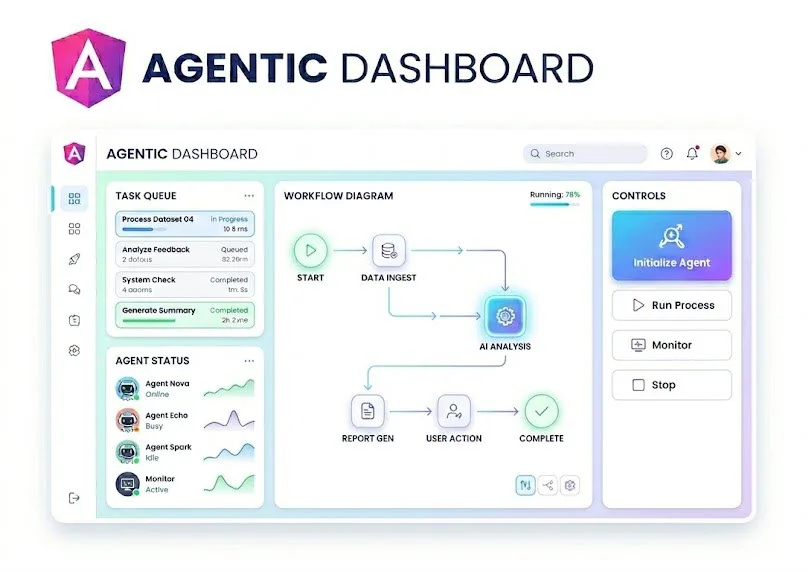
Agentic business processes are not exclusive to greenfield cloud-native applications. Existing backends can host agent workflows via the Microsoft Agent Framework without a rewrite. Azure Monitor and Application Insights provide the observability to trace every agent action end-to-end.

Agentic SEO and accessibility run on every build. Lighthouse MCP audits Core Web Vitals, axe-core checks WCAG compliance, and agents generate the fixes rather than just reporting issues.

~80%
devops toil automatable
< 1hr
azure landing zone from zero
0
environment drift across envs
< 6mo
architecture to production
Cloud Native on Azure. Built for Agents.
01
Start With a Plan, Not a Prototype
Most cloud projects go over budget because architecture was designed while code was already being written. Strategy workshops align business goals, budget constraints, and team capacity before a single line of code is touched. The output is a clear build sequence, an architecture decision record, and an agent topology diagram your engineers can work from.
02
Your Cloud Environment, Ready Before Day One
Setting up Azure manually means every environment ends up slightly different. Costs drift, compliance checks fail, and no one can explain what changed. Automated provisioning via azd and Bicep deploys networking, identity, access controls, and cost governance consistently across dev, staging, and production. Every environment is identical and reproducible from day one.
03
Deployments That Run Themselves
When a deployment breaks and fixing it requires a senior engineer to stop everything, that is a process problem. GitHub Actions pipelines build, test, and deploy on every change. When builds fail, agents diagnose the root cause and propose a fix before anyone needs to investigate manually. The team ships faster and spends less time firefighting.
04
Modernise Without Rewriting Everything
Moving off a legacy system does not require a two-year rewrite. Agents scaffold .NET Aspire services, Dapr component manifests, Cosmos DB bindings, and health checks from architecture briefs. The application breaks into independent services that can be updated, scaled, and replaced one at a time. Modernisation that used to take years completes in months.
05
New Features Without Touching What Works
In most applications, the frontend is where delivery slows down. One team waits on another, a small change requires a full release, and testing one feature risks breaking three others. Angular v21 micro-frontends make each feature independent. Agents scaffold components, stores, and Vitest tests from a feature brief. New capabilities go live without destabilising the rest of the application.
06
Quality Checks Built Into Every Release
Accessibility problems found late in a project cost far more to fix than ones caught early. Legal exposure from non-compliant software is real. Automated checks run on every release: WCAG compliance, Core Web Vitals, and meta tag coverage are tested on every change. Agents detect and fix issues before they reach users, without waiting for a manual audit.
07
Security and Compliance Without the Manual Work
Cloud environments that grow without rules accumulate risk quickly. Costs go untagged, data ends up in the wrong region, and compliance audits surface problems no one expected. Azure Policy, Purview, and Managed Identity enforce spending limits, access controls, and data tracking automatically across every environment. The compliance team sees a clean picture, not a backlog of findings.
08
Handover the Team Can Actually Use
Software handed over without monitoring and training becomes a system no one wants to touch. Azure Monitor dashboards, alert rules, and runbooks are wired in from the landing zone. Structured knowledge transfer ensures the team understands what was built, can extend it, and stays independent going forward.

Frequently Asked Questions

What is Cloud Native app development?
Cloud Native app development means building applications designed from the ground up for cloud environments, using containerization, microservices, automated CI/CD pipelines, and infrastructure as code. Applications are built to be scalable, resilient, and independently deployable without manual infrastructure management.
What Azure services do you use for cloud native apps?
We use what fits best for your deployment. We do not over-engineer. We choose a path that lets you grow, and move up the stack as your needs evolve.
How do you deploy apps?
We use Infrastructure as Code and GitHub Actions for automated deployments. Blue-green deployment keeps the previous version live until the new one is verified, and if you want a human in the loop before traffic switches, that gate is easy to add.
Can you modernize an existing application without a full rewrite?
It depends on the state of the app. Sometimes incremental modernisation is the right path. Sometimes an agentic rewrite is the better choice because technical debt has accumulated to the point where it blocks modern functionality. We assess both options and recommend the one that delivers the most value without unnecessary risk.
What is an agentic rewrite?
We use AI to gather a complete picture of the existing application: architecture, dependencies, conventions, and undocumented behaviour. From there, deep agentic planning sessions produce a stepwise migration strategy with clear phases, scoped deliverables, and no big-bang cutover.